Friday, June 17, 2016

The State Botanical Gardens of Georgia

Photo by me, April 2014
On the south side of Athens not far from downtown and the University of Georgia campus scene is the State Botanical Gardens of Georgia. The university operates the expansive 313 acres of gardens and forest that contain over 300,000 different species of plants. From indoor to outdoor gardens, nature trails and the Middle Oconee River there is plenty to see and it is all free to the public.

I've visited in the spring and summer seasons and have found the gardens beautiful both times, but personally I enjoyed them in summer more when the gardens were more showy.


Photo by me, June 2012
Photo by me, June 2012.

In the summer the gardens are bursting and singing with color like a Bach concerto at an allegro tempo. However, the time I visited in spring I was underwhelmed by the gardens. Perhaps I timed it wrong in early April and I missed most of the early blooms that year or I was too early - it had been a cool spring that year and. There were a few tulips in bloom along with dogwood trees, azaleas, honeysuckle and yellow bell bushes, but for the most part the gardens were rather dull.

Empty spring beds. Photo by me, April 2014.
Photo by me, April 2014.
A very modest display of tulips. Photo by me, April 2014.
Photo by me, April 2014.
That trip in spring was a let down as I was bringing visitors I had from Canada and had told them how beautiful the gardens were on my previous visits. So to arrive in spring and see very little blooming was disappointing and I felt like I had oversold the place which is my fault. It was still a nice day to stroll the grounds.

Photo by me, April 2014.
Piedmont azalea. Photo by me, April 2014.
Photo by me, April 2014.
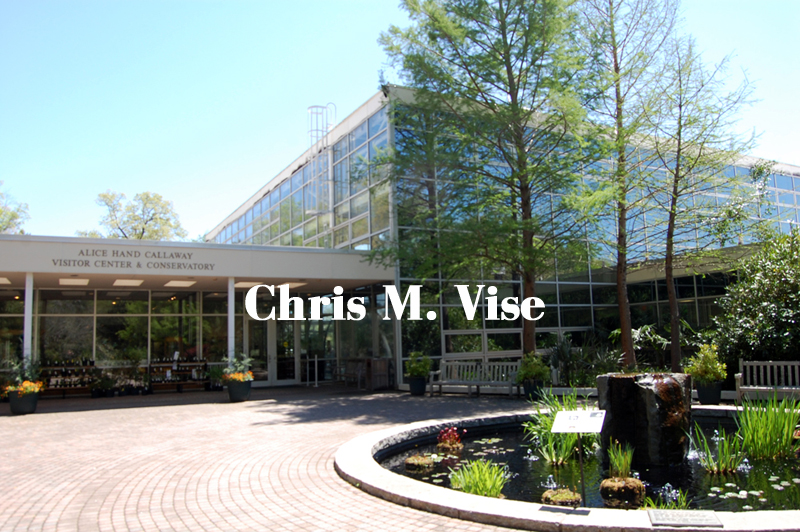
In addition to the outdoor gardens there is also the two-level tropical conservatory building that houses a rotating collection of tropical plants, a gift shop, restrooms and a cafe. Inside the conservatory is like walking through a miniature tropical forest.

The tropical conservatory building. Photo by me, June 2012.
Photo by me, June 2012.
 
Photo by me, June 2012.


The entire State Botanical Gardens is a preserve that contains over five miles of nature trails that was established in 1968. These gardens are older than the nearby and more popular Atlanta Botanical Garden which began in in 1976. I've always felt that the admission to the Atlanta Botanical Garden was too expensive for what it offers especially considering that many botanical gardens are free and less gimmicky.

In summer there is so much to see and enjoy at the State Botanical Gardens that I highly recommend it even in the sweltering heat and humidity of the south. I need to pay a visit in spring again to see if it was my timing that got the spring blooms wrong and of course come in the fall to see what the landscape offers. If ever in Athens and you need a tranquil place to relax and enjoy the beauty of nature make a stop here.

Wednesday, June 1, 2016

Hiking Pine Mountain

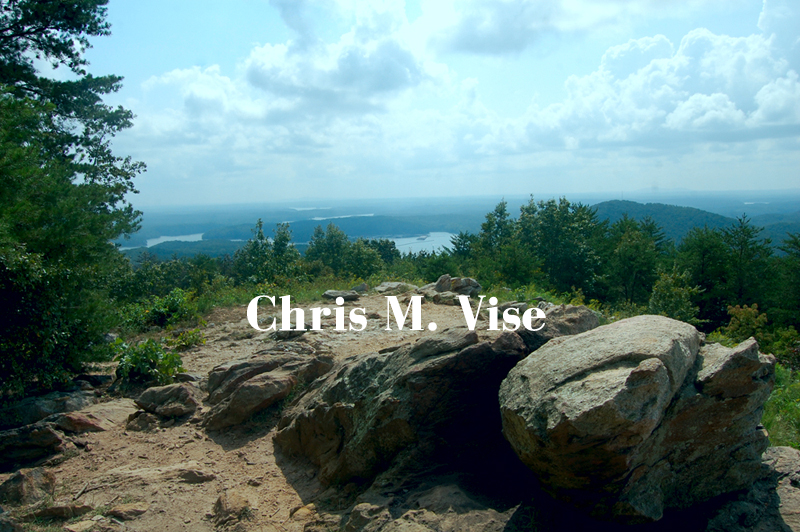
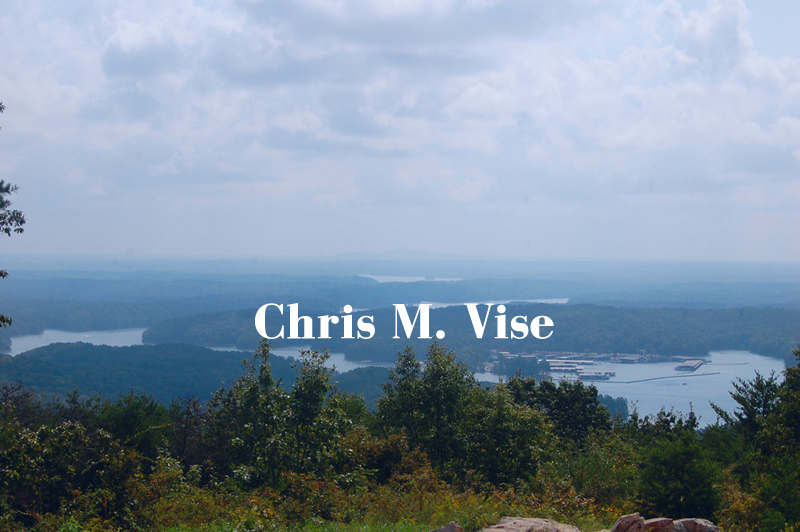
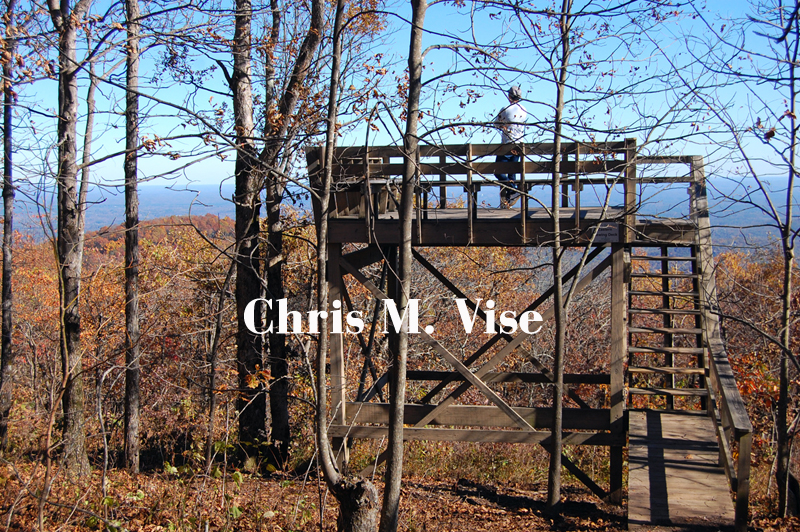
At the top of Pine Mountain. Photo by me, September 2015.
  I

t was the first week of September 2015 and it was still hot and humid as it tends to be in the south that time of year when a friend, their dog and I decided to tackle Pine Mountain. Now this isn't to be confused with the other Pine Mountain down in central Georgia where President F.D.R. had his Little White House, no this is Pine Mountain in Bartow County northwest of Atlanta. You've probably been right by it plenty of times and never knew it heading north on interstate 75 from Atlanta to Chattanooga.


Downtown Cartersville is sneaking into the right side of the photo and power plant Bowen beyond that. Photo by me, September 2015.

Photo by me, September 2015.

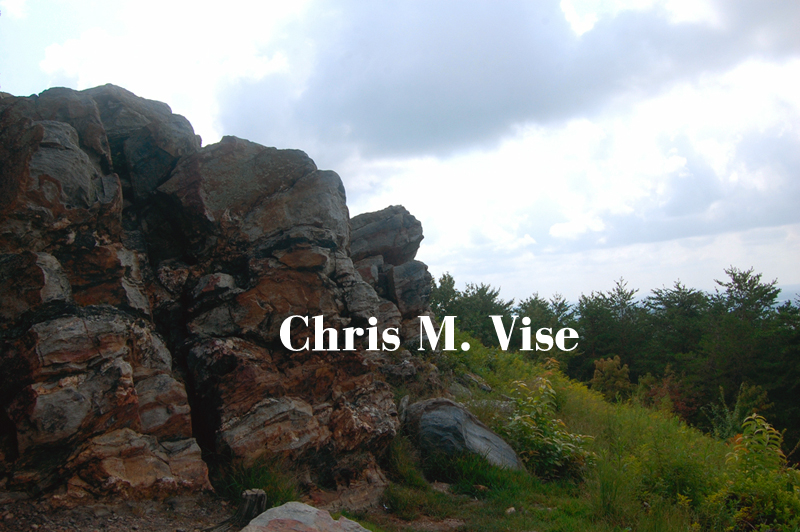
 Pine Mountain is a minor mountain in terms of elevation at only 1,562 feet above sea level but it stands out nicely compared to the surrounding landscape of rolling hills and Lake Allatoona. It is also taller than its nearby cousin, Red Top Mountain. Once you arrive at the summit you do get nice views to the south, east and west from a large rock outcrop. You won't be fully escaping civilization because you will see the alteration of the landscape by human hands but this isn't like Kennesaw Mountain where it is surrounded by choking sprawl. Other than some people and their dogs that you might encounter this is a quiet trail so you can still enjoy nature without the sounds of traffic and you might encounter see a snake like we did.
 

We parked on the western side of the mountain at the trailhead located there but you can also approach the summit from a trailhead on the eastern side too, just be mindful of bikers on the eastern trail on certain days. This mountain which you can see from the interstate is immediately off it and once you exit and drive maybe one minute down the road there's the trailhead, so it's a convenient place to go for a hike.

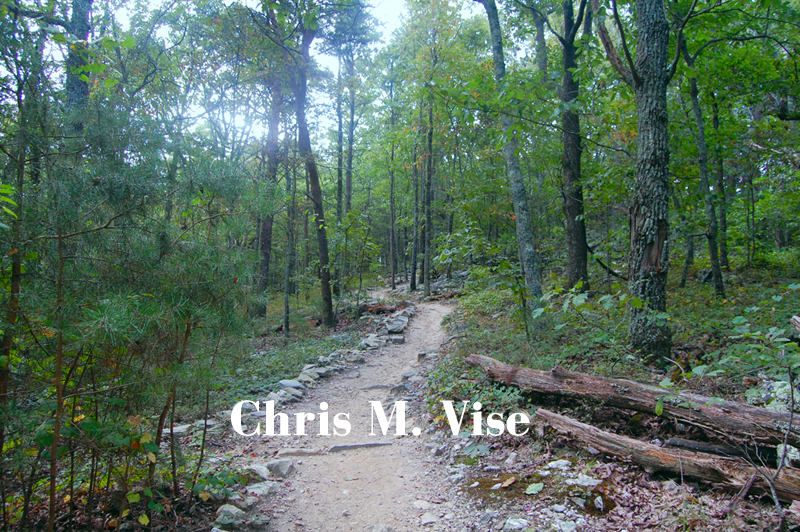
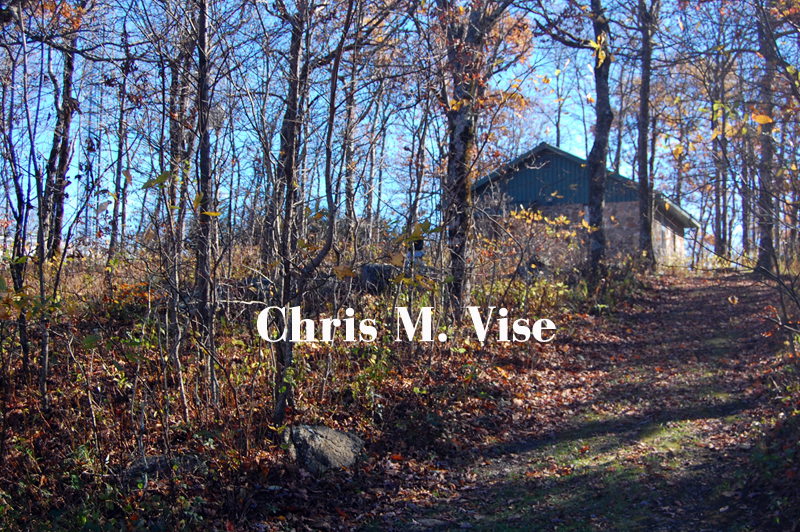
The trail as it winds it up the western slope. Photo by me, September 2015.

Large rocks overhangs and outcrops on the trails. Photo by me, September 2015.
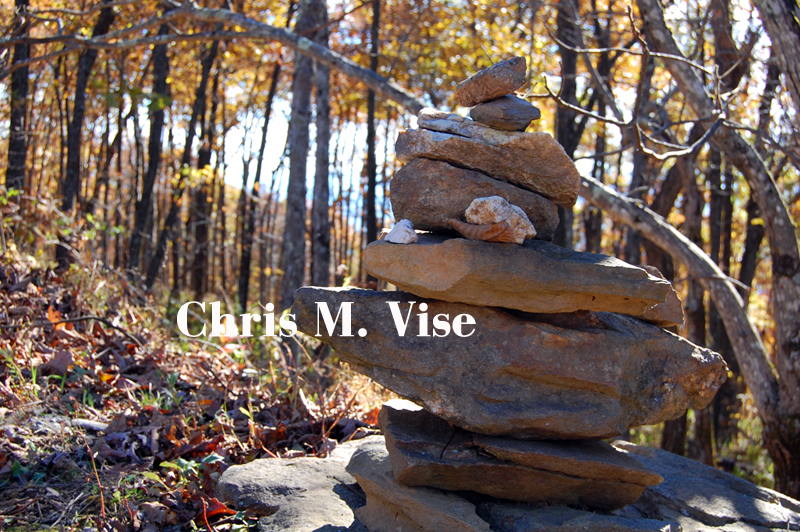
 The western trail isn't steep or difficult except in a couple places otherwise it is a gradual climb with switchbacks. If you need a breather there are plenty of rocks or downed trees to take a break on. There is one creek crossing using a foot bridge at the very beginning but other the trail is dry. About midway as the trail climbs the terrain becomes more rocky and there are a few rocks jutting out on the trail so be aware of trip hazards. In total (up and down) we might have done two miles of hiking that day, which isn't much and I would have preferred to have done more but hiking with a small dog limited our mileage that day.

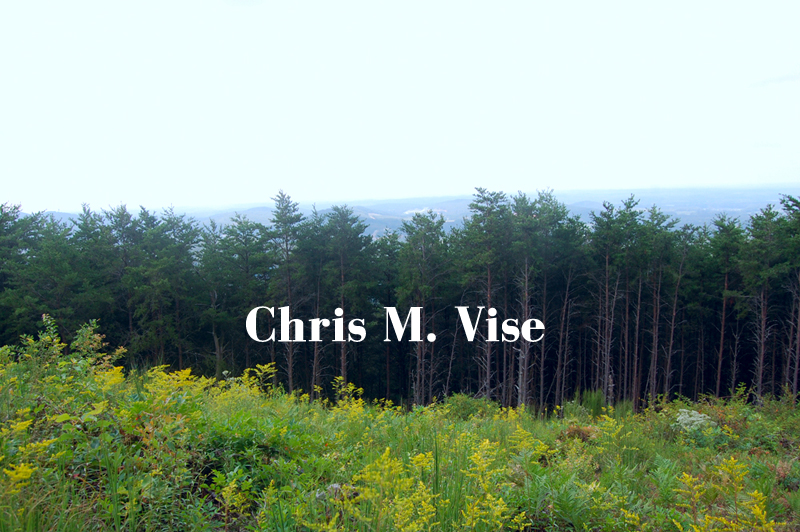
Above the tree line clearing yellow weeds bloom in late summer. I believe these are goldenrod. Photo by my September 2015.

Lake Allatoona as seen from the top. Photo by me, September 2015.
 
Photo by me, September 2015.

Monday, May 30, 2016

Mount Oglethorpe


Photo by me, October 2015.

The day before Halloween, the fall weather was splendidly perfect. It was 2015, the sky was the deepest blue and the leaves were drenched in the electric peak fall color. That was the day I made my way out to and up Mount Oglethorpe.

Rising 3,288 feet above sea level Mount Oglethorpe is a historic place. The Appalachian Trail began  or ended atop the mountain depending on which way you hiked from 1937 to 1958. In 1958 it was robbed of that title and the trail began/terminated at Springer Mountain, Georgia henceforth. Prior to 1930 the mountain was known as Grassy Knob but it received the honor of being renamed after James Oglethorpe who was the founder of the British colony of Georgia in 1733.

Photo by me, October 2015.

With the name change and the loss of the Appalachian Trail the mountain had just become a pretty part of the mountainous landscape and transmission towers and wildlife were the only things taking in the view from the summit. Then in the spring of 2014 the mountain was reopened to the public as Eagle's Rest Park which covers 107 acres. Dedicated volunteers cleared areas, built viewing platforms and established a hiking trail network. Human life had returned to an important mountain in North Georgia.

The Atlanta skyline is just visible to the naked eye 50 miles to the south. Photo by me October 2015.
Incredible fall color that day. Photo by me, October 2015.


Mount Oglethorpe is situated in a unique location as the last significant peak in the Appalachian Mountain chain and where North Georgia becomes a wave of rolling hills to the south with only a few minor peaks. That location has the advantage of offering outstanding views in most every direction. It is one of the better summit views in the North Georgia mountains and one of the most accessible since you can drive to the top.

Photo by me, October 2015.

Looking down at Lake Petit on the left and Sconti Lake in Big Canoe. Photo by me, October 2015.

Driving out there is just as interesting as being there. Turning off Highway 136 a few miles east of Talking Rock you start on a narrow ridge at around 3,000 feet in elevation. The road becomes more narrow and twisty as you drive further and further out the ridge and over Sassafras Mountain to Oglethorpe. It's a slow drive with a few houses along the road clinging to the side of the ridge. There are points where the road opens up to inspiring views and then you reach Eagle's Rest Park. At the entrance you climb straight up the mountain road to the summit of Mount Oglethorpe. It is a fun drive and nothing something I would want to do in snow or ice.

An old stone building that sits at the top. Photo by me, October 2015.
Photo by me, October 2015.

Photo by me, October 2015.

Mount Oglethorpe is 76 miles by car due north of downtown Atlanta or 50 miles as the crow flies from the center of the city. It is well worth the drive to go see a view that not many people have seen in recent times. In addition to the hiking trails at the summit there are also other trails that cross the mountain and lead to other areas.

Thursday, May 26, 2016

Renaissance Of The City Update


Renaissance Of The City, May 1965. Video capture.

I

n November 2013  I wrote about a sculpture by Robert Helsmoortel called Renaissance Of The City that once was located on Peachtree Street in downtown. At some point the sculpture was removed and I haven't been able to locate it and wondered if it had been destroyed, sold or was sitting in a private collection or a city warehouse. I still haven't had any luck in locating the sculpture though I am still trying however, I have found out more on the history of it.


I have been able to locate a video of television news footage located in the University of Georgia archives that was taken the day of the installation on the street. The film is black and white 16mm and was shot on May 18th, 1965. Even though I may not know when and where the sculpture disappeared I have established the date of installation.


Here is the model they had on site that day for the installation.


 Robert Helsmoortel was on site the day of the installation. That is him standing there supervising the work, taking photos and wearing the black tie and coveralls.


Now for a sense of scale as to how large this sculpture was it was transported on the back of a flat bed tractor trailer truck.


It took a large crane to lift the pieces of the sculpture into place.


Then workers put the final touches on securing it into place in front of Peachtree Center.

How long it stayed there and what happened to the sculpture remains a mystery.

Saturday, May 21, 2016

Flux Night 2015: Dream Is A Disaster


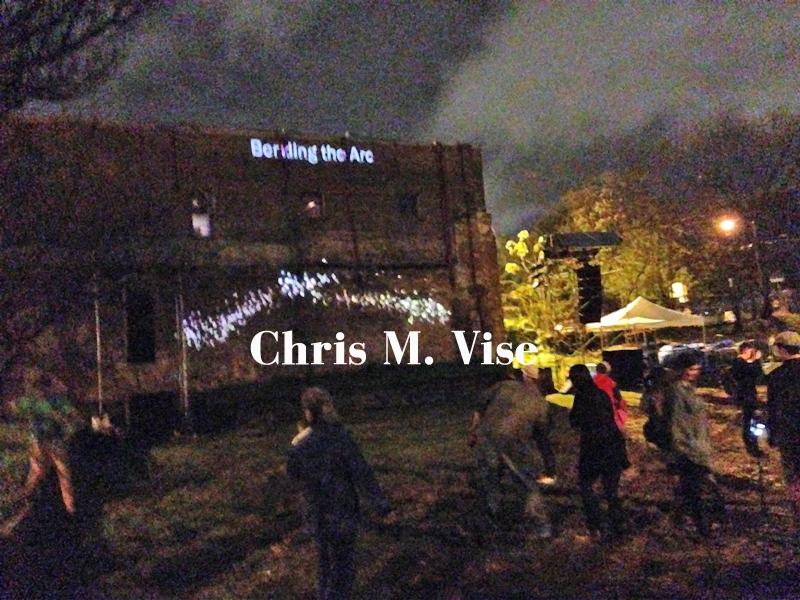
Where's the art? Photo by me, November 2015.

A

few years ago I fell in love with Flux Night. Here is my warning that what I have to say of what has become of Flux Night is critical and not pleasant; even what we love must sometimes be critiqued.

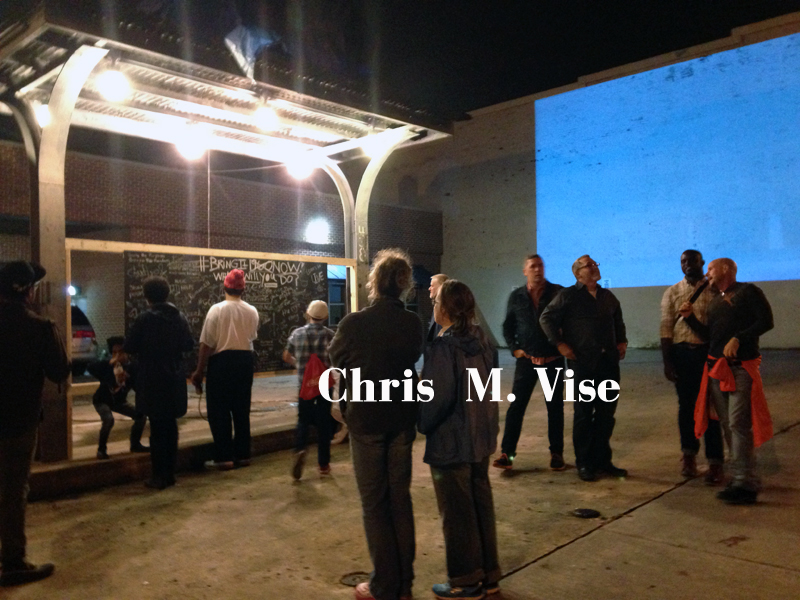
There is no nice way to say it, but Flux Night 2015 was a disaster. Some will blame the weather and that it was pushed back a week and then on the rescheduled night it had rained earlier in the day, but that is an excuse. Even had the weather been absolutely perfect this event was a failure. There was so little to see, there was so little to do and trying to find any of the limited art was like trying to solve a riddle that could not be solved. 


Remember that Wendy's commercial from the 1980s that asked, "where's the beef?" That was Flux Night 2015.


I arrived with with an umbrella in case and was prepared to suffer through the rain if it returned since I loved Flux Night that much. The event was off from the beginning as Flux Night was a Castleberry Hill event that was meant to be in that neighborhood and not the Old Fourth Ward. Sure, flux means change, but not all changes are equal.


I found a volunteer, pretty easy to do in the sparse crowd, and was handed a guide to the night. She hit me up for a donation in a rather rude way and I said, "I'll be back by, let me see some art first."

People standing around with nothing to see. Photo by me, November 2015.


The organization behind Flux Night took a year off in 2014 to regroup and to focus on building a better Flux Night and then produced the worst Flux Night ever. There is an old saying that you 'don't fix what isn't broken' and that is exactly what happened here. Yes, events can evolve and grow, but you do not lose the key vision of what made an event special. Flux Night was a night of the arts on the streets of Atlanta. It was a night to celebrate our thriving artistic scene. What we saw in 2015 was a mess that was haphazard, ill-conceived and dull.


A curator was brought in from New York that had no connection and I mean none to the city of Atlanta or its history and culture and you got this lame event. One of the city's most historic neighborhoods is chosen to host and this was produced? This? Really? It was awful and insulting how far Flux Night had fallen. 


It was as if an outsider said this is what Atlanta is like; a tourist who comes and spends a day downtown and pretends to understand the place like a local. Atlanta does not need people from other places for validation or to tell us how it should be done. There is plenty of homegrown talent here. I am all for bringing in artists from outside the city, but to hand over the reigns and have someone with no connection to Atlanta be the curator is to betray the event and those that love it.


Cool inflatable something bro! Photo by me, November 2015.


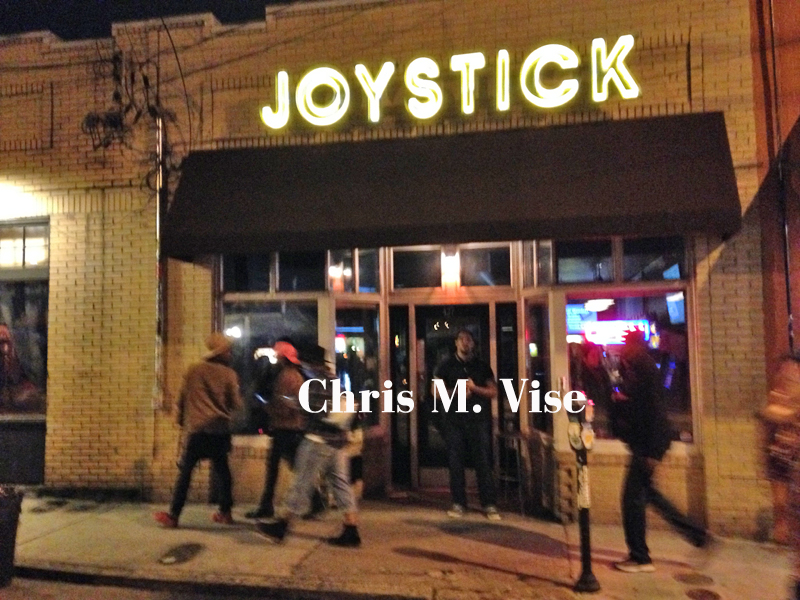
Where was the art? I walked up and down Edgewood and Auburn Avenues and even with a map I kept asking that question. There was a little something here and a little something there, but mostly it was bored people wandering around wondering why they had come and what the hell happened to Flux Night. You had all this space on the street so why weren't you using it? Hardly any of the street was activated by art installations or performers. Food trucks are nice for a bite to eat or grab a beer, but they aren't art and I don't come to Flux to see food trucks. I come to Flux to see A-R-T.

Part of what made Flux Night great was the character of Castleberry Hill. Not to take away from the Old Fourth Ward/Edgewood, which I enjoy and it is the trendy neighborhood du jour, but Flux Night was best suited for Castleberry Hill surrounded by the old warehouses turned lofts. Moving Flux Night was akin to taking a rose and transplanting it into the arctic tundra.


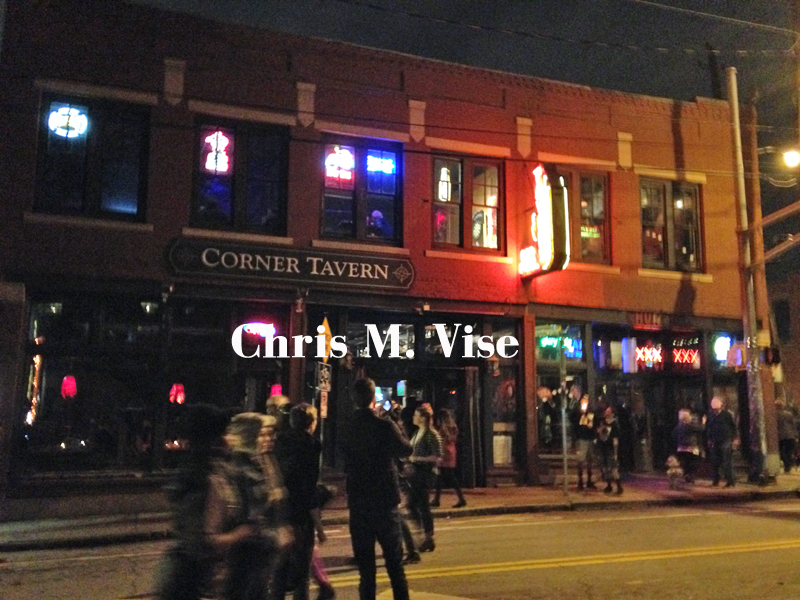
Another aspect that made Flux Night special was that it was a nighttime event. Other than nightlife or sports, most city events are daytime ones. It was great to see people out wandering the streets taking in the arts under the night sky. It reminded me of an Atlanta event that I remember from New Year's Eve 1996 that was set in Midtown. It was called First Night. It was not necessarily about the arts, but it was a cultural alternative to fireworks and partying at night and on the streets of the city. It brought out people into what would have been otherwise dead streets.

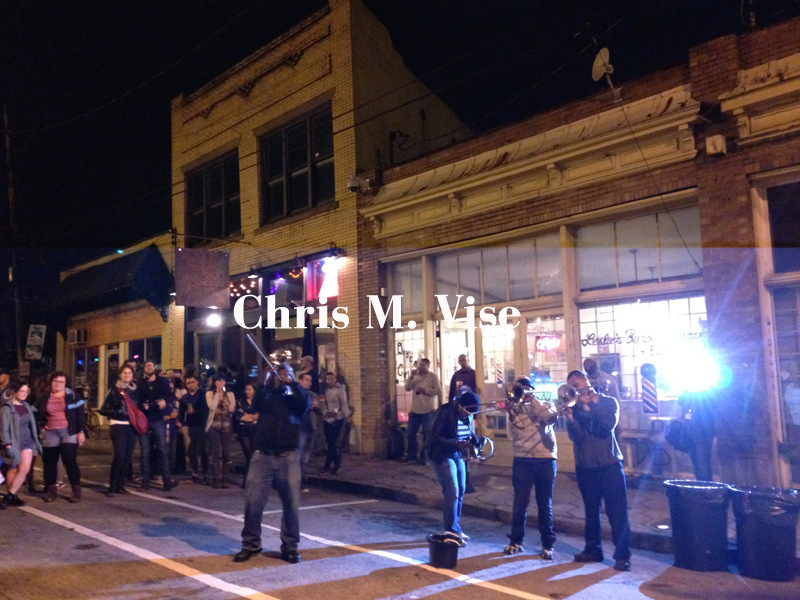
I don't think they were on the schedule but decided to do a street performance and busk for money. They were more entertaining than a dead street. Photo by me, November 2015.


Another aspect of what made Flux Night special was that it was an overwhelming and exciting experience. You could turn a corner and be wowed by the next installation or performance or the humanity. It was about the unexpected. There was always so much to see, to do, to admire to be inspired by. There was a feeling of the unexpected and sometimes you had to stand there awhile and think about what you were seeing. Nothing from 2015 had that.

To repair Flux Night it needs to be local again, involve local artists, thinkers and performers and embrace what makes Atlanta unique. People that understand this city need to be running Flux Night and they need to bring life back into it and put it back in Castleberry Hill. Make it overwhelming again, make it exciting and unexpected again, but never ever do what was done in 2015.

Photo by me, November 2015.

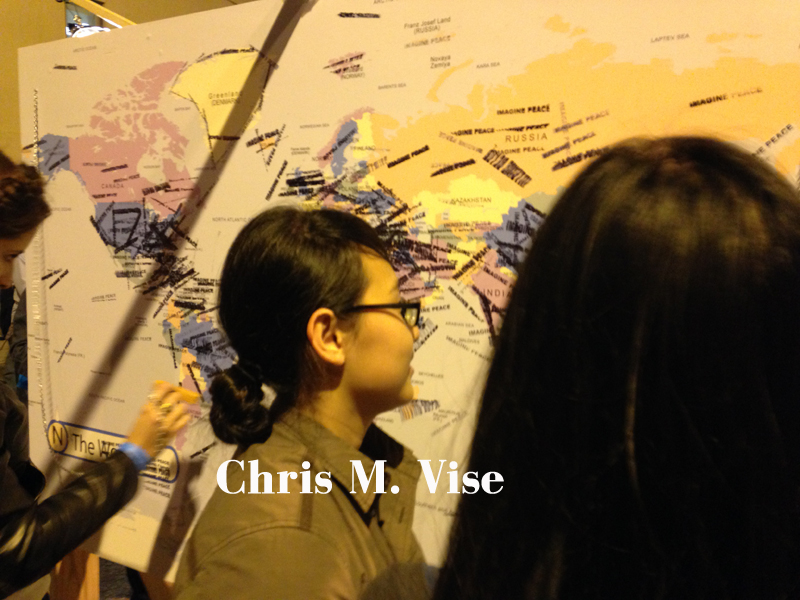
This was the Yoko Ono installation. It was at least interactive and went along with the notion of world peace that she and John are known for however it was nothing more than a world map that you could stamp. Photo by me, November 2015.

A larger view of the Yoko Ono installation. Photo by me, November 2015.

Photo by me, November 2015.

This is where we went down into a mud hole on a vacant lot for something that was doing nothing until much later in the night.
Photo by me, November 2015.

Sparse crowds with nothing to do related to the event. 


Photo by me, November 2015.

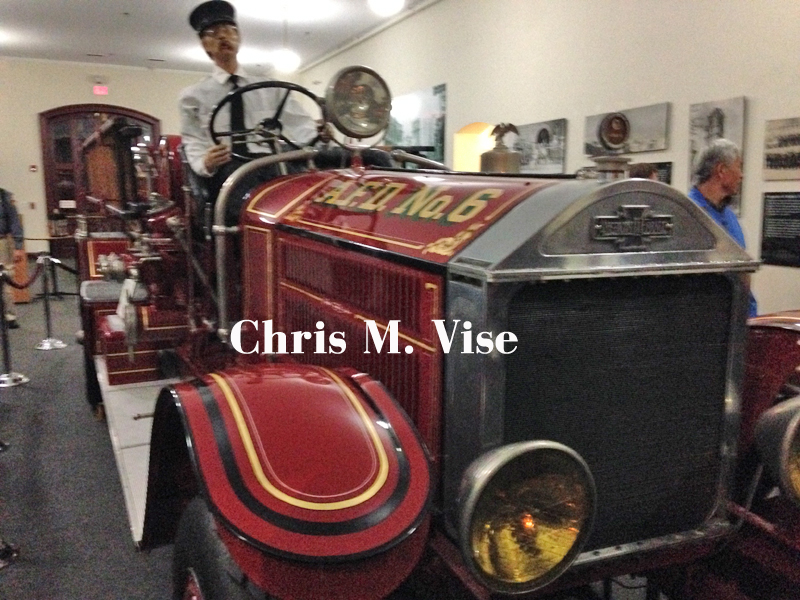
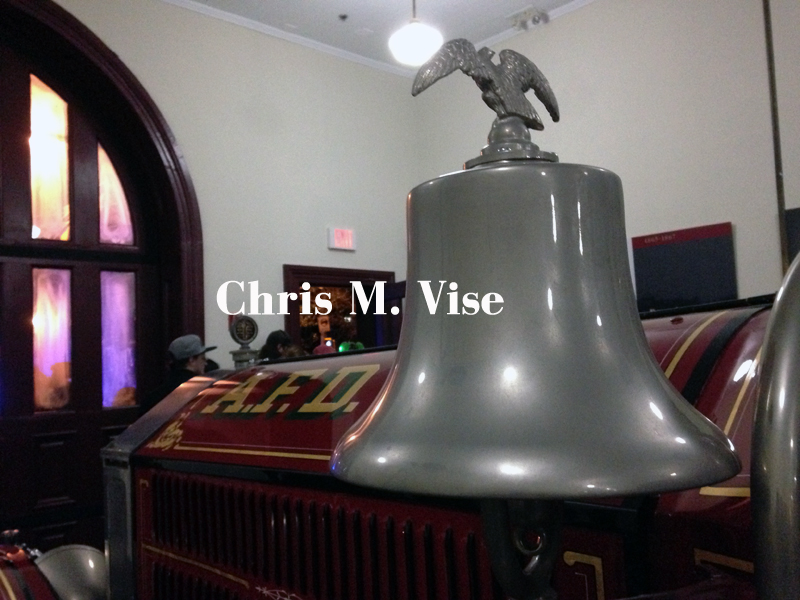
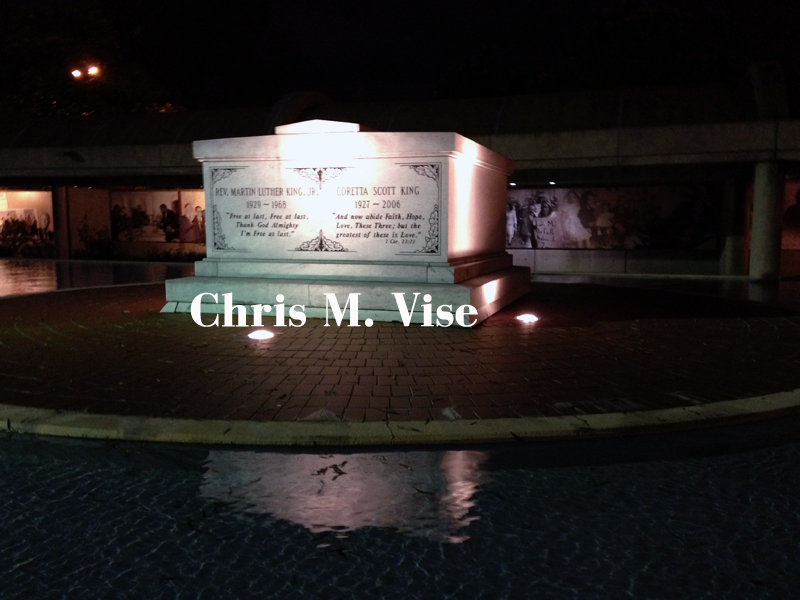
The most interesting things I saw all night were the things that already make the Old Fourth Ward interesting, the old Fire Station number six and the King Center.
Photo by me, November 2015.


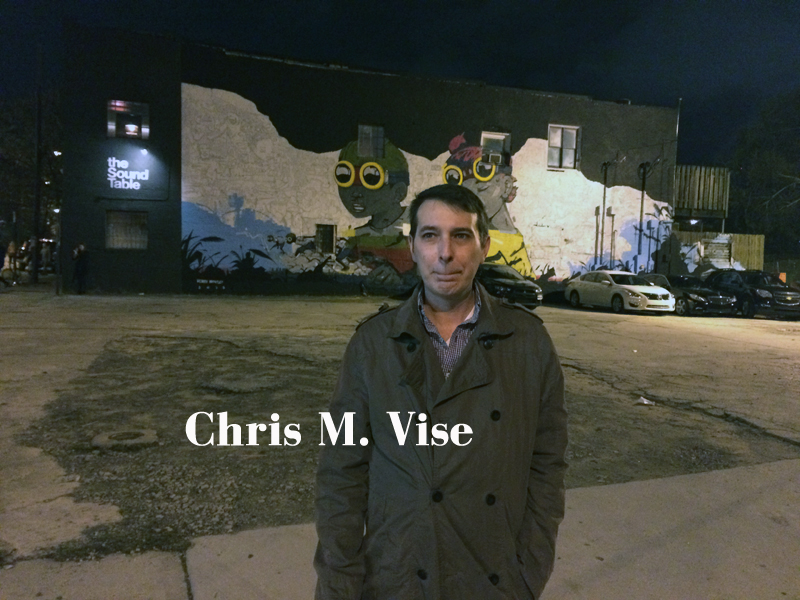
My face summed up how disappointing the night was from beginning to end.